Thank you for writing to us. One of our executive will reach back to you through your submitted medium. In case there’s an urgency, feel free to connect over WhatsApp for faster response.
Prefer calling? Dial +919561294400 (International callers) or +919561294400 (Indian callers).
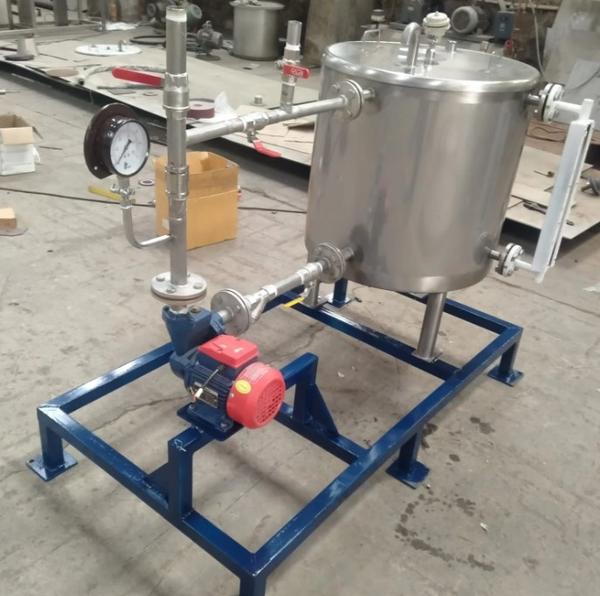
Sugar Syrup from Varadraj Industries is a dairy and food processing solution listed within the Turnkey Projects section of the company's dairy plant equipment range. It is intended for processing operations where sugar syrup preparation forms part of the required production workflow. The solution can be incorporated into a wider plant arrangement according to the customer's process requirements and intended application. Varadraj Industries provides processing equipment and turnkey project solutions, with equipment configuration planned around the needs of the facility. Exact capacity, process arrangement and technical specifications should be confirmed with the manufacturer. Sugar Syrup is relevant for businesses developing or upgrading a dairy or food processing facility where a dedicated syrup preparation stage is required within the overall plant workflow.
Speak with Varadraj Industries to discuss Sugar Syrup processing requirements and suitable plant integration.
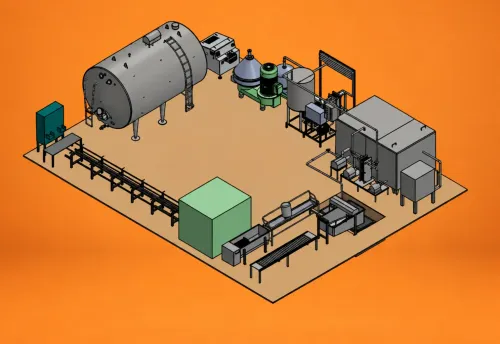
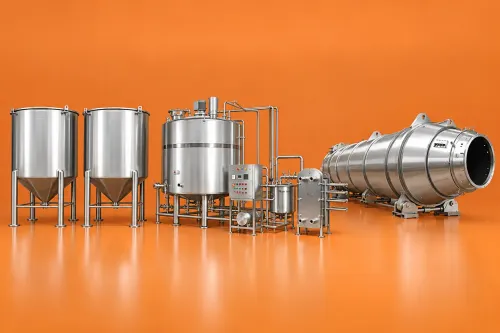
Milk Processing Plant from Varadraj Industries is a turnkey dairy processing solution for businesses involved in commercial milk processing. It is designed as part of a complete plant approach, allowing the processing workflow and equipment arrangement to be planned around the customer's production requirements. The solution is relevant for dairy processors establishing a new facility, expanding capacity or developing a structured milk processing operation. Varadraj Industries provides dairy plant equipment and turnkey project solutions, with the final plant configuration determined by the required process, capacity and operating needs. Specific equipment selection and technical specifications should be confirmed with the manufacturer. A planned milk processing plant can bring key processing stages together within a coordinated production setup rather than relying on disconnected equipment.
Contact Varadraj Industries to plan a Milk Processing Plant around your production capacity and dairy processing workflow.
We, Varadraj Industries, are manufacturers and fabricators of Ghee Storage Tanks in Pune, Maharashtra
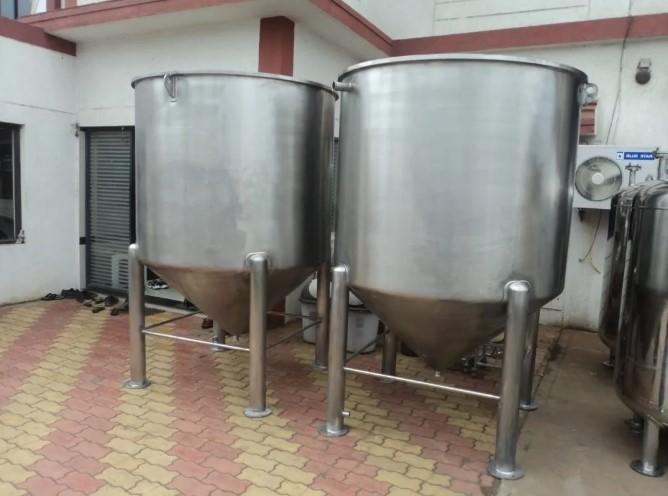
Varadaraj Industries is one of the leading manufacturers and fabricators of Vertical Milk Storage Tank VMST). You can trust Varadaraj Industries as we provide an excellent Vertical Milk Storage Tank, and we are delighted to present our collection of Vertical Milk Storage Tanks to our esteemed customers. Our dedicated research and development department works hard to maintain our brand. Continuously upgrade yourself to provide the best solutions in the industry to the customers, which are very useful for you.
These vertical milk storage tanks store milk of different capacities with good quality and quantity. We are known for manufacturing a wide range of Vertical Milk Storage Tanks VMST.
This vertical milk storage tank is used by dairies to store milk. We provide the best quality product using efficient production techniques, following quality standards.
Features of Vertical Milk Storage Tank:
Excellent finish
Tensile strength
Highly durable
Affordable price.
Reliable and Optimal.
Good quality raw material.
Contact US For More Information!
At Varadaraj Industries, we are the manufacturers of Horizontal Milk Storage Tanks (HMST) located in India, specifically in Maharashtra, Pune.
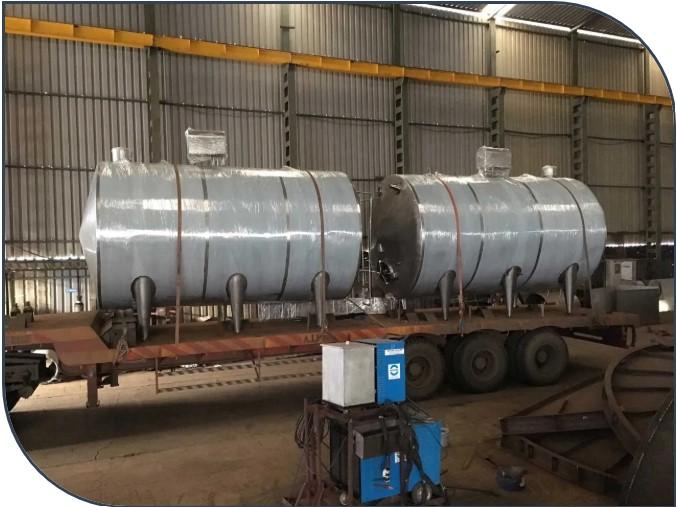
Varadaraj Industries is a leading manufacturer and fabricator of Horizontal Milk Storage Tank HMST. You can trust Varadaraj Industries, as we provide an excellent Horizontal Milk Storage Tank HMST. These tanks store different amounts of milk in good quality and quantity. We are known for manufacturing a wide range of Horizontal Milk Storage Tanks (HMST).
We are very pleased to present our collection of Horizontal Milk Storage Tank HMST to our esteemed customers. Our dedicated research and development department works hard to maintain our brand. Continuously upgrade yourself to provide the best solutions in the industry to your most valuable customers. This tank is used by the dairy to store milk. We provide the best quality product using efficient production techniques, following quality standards.
What is our specialty?
Horizontal Milk Storage Tank HMST suppliers offer customized solutions that help our customers save both time and money over the years.
We provide high-quality Horizontal Milk Storage Tanks HMST at the best prices. Our products are known for their durability, performance, and high standards.
Our expert team ensures that we meet the needs of our customers accurately and efficiently.
These tank exporters at various locations offer a variety of options from standard models to innovative designs and special units.
Features of Vertical Milk Storage Tank:
Excellent finish
Tensile strength
Highly durable
Affordable price.
Reliable and Optimal.
Good quality raw material.
A Milk Tank is a specialized container used for storing, cooling, and transporting milk, commonly in dairy farms and milk processing plants. These tanks are designed to preserve the freshness and quality of milk by maintaining it at specific temperatures and protecting it from contamination.
Bulk Milk Cooling Tanks: Found in dairy farms, these tanks collect milk directly after milking and cool it for storage until it is transported to a processing facility.
Storage Tanks: Used in milk processing plants to store milk temporarily before it is pasteurized, homogenized, or processed into other dairy products like cheese or butter.
Transport Tanks: Specialized insulated tankers used to transport milk from dairy farms to processing plants. These are designed to maintain the milk’s temperature and quality during transport.
Applications of Milk Tanks:
Dairy Farms: For storing milk right after it’s collected from cows before transportation to a processing facility.
Milk Processing Plants: Where milk is temporarily held before undergoing pasteurization, homogenization, or further dairy product production.
Food and Beverage Industry: For large-scale production of milk-based products like cheese, butter, yogurt, and ice cream.
Milk Tank play a crucial role in maintaining milk quality and hygiene throughout the dairy supply chain, from farm to consumer.
At Varadraj Manufacturing Industries, we recognize that cleanliness is paramount in maintaining the integrity of our manufacturing processes. Our Semi-Auto Clean-in-Place (CIP) System combines the best of automation and manual operation, providing a flexible and efficient cleaning solution tailored to meet the specific needs of various industries, including food and beverage, pharmaceuticals, and cosmetics.
What is a Semi-Auto CIP System?
A Semi-Auto CIP System allows operators to control certain cleaning parameters while automating key processes. This hybrid approach ensures effective cleaning without the need for complete disassembly of equipment.
Key features include:
Automated Circulation: The system automatically circulates cleaning solutions through the equipment, ensuring thorough coverage and effective cleaning.
Operator Control: Operators can manually adjust settings such as temperature, pressure, and cleaning duration, allowing for customization based on specific cleaning requirements.
Benefits of Our Semi-Auto CIP System:
Enhanced Flexibility: The semi-automated nature of the system allows for adjustments on the fly, making it ideal for diverse cleaning tasks and varying production schedules.
Efficiency in Cleaning: By automating critical processes while allowing for manual oversight, our system reduces cleaning time and minimizes downtime, leading to increased productivity.
Resource Management: Our Semi-Auto CIP System optimizes the use of water and cleaning agents, resulting in cost savings and a reduced environmental footprint.
Improved Safety: With automated cleaning cycles, the risk of human error is minimized, enhancing the safety of operators and reducing exposure to potentially hazardous substances.
Compliance and Quality Assurance: The system is designed to meet stringent hygiene standards, ensuring that all equipment is thoroughly cleaned and compliant with industry regulations.
Applications in Varadraj Manufacturing Industries:
At Varadraj Manufacturing Industries, our Semi-Auto CIP System is used to maintain cleanliness across various processes. Whether it’s cleaning tanks, pipes, or other equipment, this system ensures that we uphold the highest standards of hygiene and operational efficiency.
For more information on our Semi-Auto CIP System and how it can benefit your operations, contact us today!
At Varadraj Manufacturing Industries, we understand the critical importance of hygiene and efficiency in manufacturing. Our Triple Circuit Clean-in-Place (CIP) System is engineered to deliver superior cleaning solutions tailored for industries like food and beverage, pharmaceuticals, and cosmetics. This state-of-the-art system ensures thorough sanitation without the need for disassembly, enhancing both productivity and safety.
Components of the Triple Circuit CIP System:
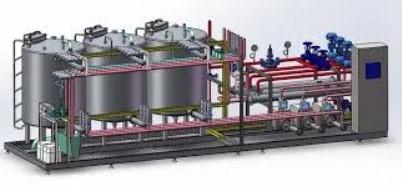
Our Triple Circuit CIP System consists of three dedicated circuits, each designed to maximize cleaning effectiveness:
Detergent Circuit: This circuit utilizes specialized cleaning agents to effectively dissolve and remove organic and inorganic residues from equipment surfaces, ensuring optimal cleanliness.
Rinse Circuit: Following detergent application, the rinse circuit flushes away residues and cleaning agents, preparing the equipment for sanitization. This step is crucial for preventing cross-contamination.
Sanitizing Circuit: The final step employs heated water or chemical sanitizers to eradicate any remaining pathogens, ensuring compliance with stringent hygiene standards.
Key Benefits of the Triple Circuit CIP System:
Efficiency and Speed: Our system significantly reduces cleaning time by automating and streamlining the entire process, minimizing downtime, and enhancing overall productivity.
Resource Conservation: Designed to optimize water and detergent usage, our Triple Circuit CIP System reduces operational costs and environmental impact while maintaining high cleaning standards.
Enhanced Safety: Automating the cleaning process reduces human exposure to hazardous chemicals, ensuring a safer work environment for our employees.
Customizable Solutions: The system can be tailored to meet specific cleaning requirements, making it adaptable for various manufacturing processes and equipment.
Compliance Assurance: With rigorous cleaning protocols, our system helps ensure compliance with industry regulations and standards, giving you peace of mind.
Application in Varadraj Manufacturing Industries:
Implementing the Triple Circuit CIP System at Varadraj Manufacturing Industries has transformed our cleaning protocols. Whether it’s production lines, storage tanks, or transfer systems, our CIP system guarantees that every piece of equipment meets the highest hygiene standards.
For more information about our Triple Circuit CIP System and how it can enhance your manufacturing processes, please reach out to us!
At Varadraj Manufacturing Company, we recognize that maintaining cleanliness and sanitation is crucial for industries like food and beverage, pharmaceuticals, and more. Our double-circuit CIP (Clean-In-Place) System offers an advanced solution that enhances cleaning efficiency while ensuring compliance with health and safety standards.
What is a double-circuit CIP System?
A Double-circuit CIP System consists of two separate cleaning circuits, allowing for simultaneous cleaning processes. This innovative design ensures that different cleaning solutions can be used effectively without cross-contamination, optimizing the cleaning process for diverse equipment and production lines.
Key Components of a Double Circuit CIP System:
Two Cleaning Solution Tanks: Each circuit has its tank, enabling the use of different cleaning agents (e.g., alkaline and acidic solutions) tailored to specific cleaning needs.
Dual Pumps: Each circuit is equipped with its own pump, allowing for efficient circulation and application of cleaning solutions.
Control System: Advanced automation for monitoring and adjusting parameters such as temperature, pressure, and flow, ensuring optimal cleaning conditions.
Heat Exchangers: Often integrated to preheat cleaning solutions, enhancing their effectiveness and reducing cleaning times.
Benefits of a Double Circuit CIP System:
Increased Flexibility: The ability to use two different cleaning agents simultaneously caters to diverse cleaning requirements, making it ideal for facilities with varied production lines.
Improved Efficiency: The dual circuit allows for continuous operation, significantly reducing downtime during cleaning processes.
Enhanced Cleaning.
Results: Using specialized cleaning agents tailored to specific residues leads to superior cleaning effectiveness and compliance with stringent hygiene standards.
Reduced Risk of Cross-Contamination: Separate circuits ensure that different cleaning solutions do not mix, maintaining the integrity of each cleaning process.
Cost-Effective Operation: By optimizing cleaning processes and reducing the need for manual intervention, businesses can achieve significant savings in both labor and resource consumption.
Applications of Double Circuit CIP Systems
Food and Beverage Industry: Ideal for cleaning diverse processing equipment, such as pasteurizers and bottling lines, while adhering to strict food safety regulations.
Pharmaceutical Industry: Essential for maintaining high cleanliness standards in production areas where contamination could jeopardize product safety.
Brewery and Dairy Industries: Perfect for cleaning fermenters, tanks, and pipelines, ensuring quality and compliance in every batch produced.
The Double Circuit CIP System is an innovative solution for industries that demand the highest levels of cleanliness and efficiency. At Varadraj Manufacturing Company, we are committed to providing cutting-edge CIP systems designed to enhance your cleaning processes while ensuring compliance with industry standards.
If you’re interested in improving your cleaning efficiency with a double-circuit CIP System, reach out to Varadraj Manufacturing Company today for a consultation. Let us help you elevate your sanitation standards and operational efficiency!
At Varadraj Manufacturing Company, we understand the critical importance of cleanliness in industrial processes, especially in the food, beverage, and pharmaceutical industries. One of the most effective ways to ensure sanitation is through a single-circuit CIP (Clean-In-Place) System. This system offers a streamlined approach to cleaning, minimizing downtime while maximizing efficiency.
What is a single-circuit CIP System?
A single-circuit CIP System is designed to automate the cleaning process of various equipment and pipelines without the need for disassembly. This system circulates cleaning solutions through the equipment using a single closed loop, ensuring thorough sanitation.
Key Components of a Single Circuit CIP System:
Cleaning Solution Tank: Holds the cleaning agents, such as caustic soda or acid solutions, required for the cleaning process.
Pump: Circulates the cleaning solution through the system, ensuring every part of the equipment is reached.
Heat Exchanger: Often included to preheat the cleaning solution, enhancing its effectiveness.
Control Panel: Allows for precise monitoring and adjustment of cleaning parameters such as temperature, pressure, and flow rate.
Benefits of a Single Circuit CIP System:
Efficiency: The single-circuit design allows for a continuous flow of cleaning solutions, reducing the time and resources required for cleaning.
Reduced Water Usage: The Single Circuit CIP System minimizes water consumption by optimizing the cleaning process, contributing to sustainability efforts.
Consistency in Cleaning: Automated cleaning ensures uniform application of cleaning solutions, leading to consistent results and enhanced hygiene standards.
Lower Labor Costs: Automation reduces the need for manual labor, allowing staff to focus on more critical tasks.
Flexibility: These systems can be tailored to different production setups, making them suitable for various industries.
Applications of Single Circuit CIP Systems
Food and Beverage Industry: Used for cleaning tanks, pipelines, and processing equipment, ensuring food safety and compliance with health regulations.
Pharmaceutical Industry: Ensures that production equipment is sanitized to meet stringent cleanliness standards, preventing contamination.
Dairy Industry: Ideal for cleaning milk processing equipment, where hygiene is paramount.
Conclusion
If you’re looking to enhance your cleaning processes with a Single Circuit CIP System, contact Varadraj Manufacturing Company today for a consultation. Let us help you achieve the highest standards of cleanliness in your operations!
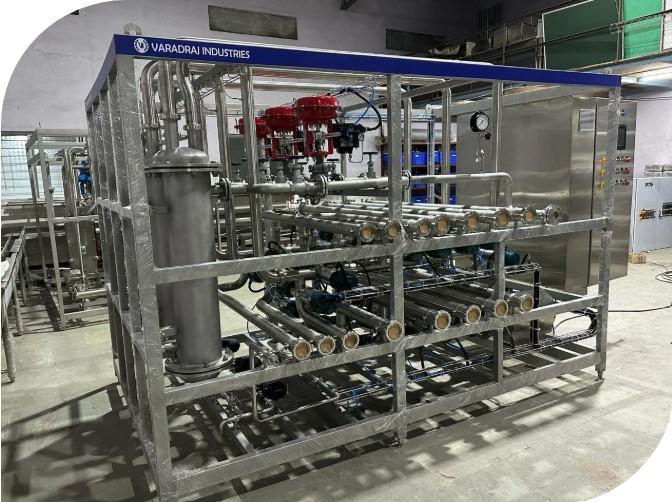
At Varadraj Manufacturing Industries, we provide modern-day Hot Water Generators in India, specifically in Maharashtra, Pune designed to satisfy the various wishes of diverse industries, which include prescribed drugs, food processing, and chemical compounds.
An Electric Hot Water Generator is a device powered by electricity that heats water. It consists of a heating element in the water and an insulated tank. It can be used for various Hotels, Hospitals, Resorts, Swimming pools, Dairies, Laundries, and various other process Industries.
Hot Water Generator by using Varadraj Manufacturing Industries
At Varadraj Manufacturing Industries, we provide modern hot water mills designed to meet the numerous needs of diverse industries. Our revolutionary structures ensure efficient and reliable hot water delivery for packages in manufacturing, food processing, and more.
Why Choose Our Hot Water Generators?
High Efficiency: Our industrial hot water generators are engineered for the best overall performance, providing fast heating capabilities that enhance operational efficiency and reduce energy intake.
Customizable Solutions: We offer various hot water generators tailor-made to your precise requirements, whether or not you need a compact unit for small-scale operations or a large system for large applications.
Robust Construction: At Our Industries, we build with top-rate substances; our generators ensure durability and long-lasting performance.
User-Friendly Controls: Our systems feature advanced manipulation panels for clean operation, permitting you to monitor and regulate temperature settings and effects.
Environmentally Friendly: With energy-green designs, our hot water mills help minimize your carbon footprint at the same time as maximizing productivity.
Get in Touch
Ready to improve your operations with our hot water generators? Contact us today for a consultation or to request a quote. Trust Varadraj Manufacturing Industries to deliver the best solutions for your hot water needs!
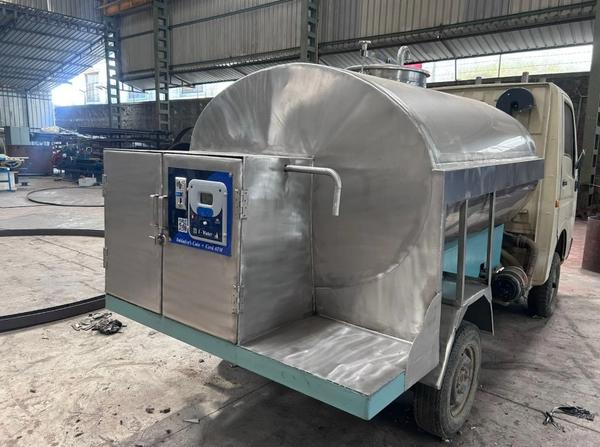
Road Milk Tanker (RMT)
Efficient, Hygienic & Temperature-Controlled Milk Transportation
Our Road Milk Tanker (RMT) is specially engineered for the safe and hygienic transportation of milk from dairy farms, collection centers, and processing plants. Manufactured using premium food-grade stainless steel (SS304), the tanker ensures maximum freshness, quality retention, and contamination-free milk handling during transit.
Designed with advanced insulation technology, the Road Milk Tanker maintains the required temperature for extended periods, making it ideal for long-distance transportation across urban and rural routes. The robust construction, leak-proof design, and easy cleaning system provide reliable performance and compliance with dairy industry standards.
Key Features
Food-grade SS304 stainless steel construction
Double-walled insulated tank for temperature retention
Available in single, double, and multi-compartment designs
Leak-proof and corrosion-resistant structure
CIP (Clean-In-Place) system for easy sanitation
Heavy-duty chassis mounting for road safety
Top manholes and safety railings for convenient access
Hygienic milk transfer and unloading system
Available capacities from 2,000 Litres to 34,000 Litres
Customizable design as per customer requirements
Applications
Dairy Farms
Milk Collection Centers
Milk Chilling Plants
Dairy Processing Industries
Food & Beverage Industries
Benefits
Our Road Milk Tankers help maintain milk freshness, reduce product loss, and ensure safe transportation under hygienic conditions. With superior insulation, durable construction, and low maintenance requirements, they provide an efficient solution for bulk milk transportation while meeting modern dairy industry standards.
Choose our Road Milk Tankers for reliable, safe, and cost-effective milk transportation solutions.
A Sugar Syrup Storage Tank is a specialized vessel used in food and beverage industries to store prepared sugar syrup under hygienic and controlled conditions. It plays a crucial role in maintaining the quality, consistency, and shelf life of sugar syrup used in products like sweets, beverages, bakery items, and dairy products.
🍯 What is a Sugar Syrup Storage Tank?
It is a food-grade storage system designed to hold sugar syrup after preparation. The tank ensures that the syrup remains free from contamination, maintains its temperature, and is readily available for further processing or packaging.
 Chat with us
 Chat with us